My plan for today had originally been to meet up with a bunch of other photographers for a wander around a midlands heritage museum. Alas though, due to the continuing hot weather, it was decided it was best to postpone until later in the summer. So, with time on my hands, I decided to drive instead to Newark where I knew there was an exhibition on featuring the work of a photographer whose work I enjoy: Paul Hart.
The Gathered Leaves exhibition is in the newly opened Vibrant Matter gallery, and details can be found here. While there were some framed prints from artists featured, the exhibition was focused on publications rather than prints – you can see where it got it’s title – and I browsed most of what were on display as well as having a nice chat with the owner, Daniel Rapley, whose work was also on display (in the shape of experimental images formed from found photographic images, creating a colourful and eyecatching display of overlaid scenes. There was a feeling of Christopher Nolan’s Inception in some images, where inverted cities loomed above foreground figures). While there were a number of photography books present, the scope was wider, and there were publications dealing with more experimental art, design, and typography.
After my visit to the gallery I wandered around Newark taking pictures of my own, finally finishing a roll of Kodak Pro Image that’s been in my Olympus XA-3 for a couple of months now, as well as starting on rolls of Portra 160 (which I’d forgotten was in my camera bag – not sure how long it’s been cooking in there. It’s a good job Portra doesn’t cost much, eh..?), Ektar (in my Yashica Mat 124 G), and some expired Ilford Delta 400 in my Olympus OM-10). I took a new camera bag with me which has space for more stuff. I’m not sure if that is a good or bad thing just yet…
Newark is a nice place to wander around. The architecture is pretty, with lots of charming red-brick buildings, a colourful market square, the River Trent, and the ruins of a castle (although it is currently undergoing some sort of renovation so could only really be viewed from across the river).
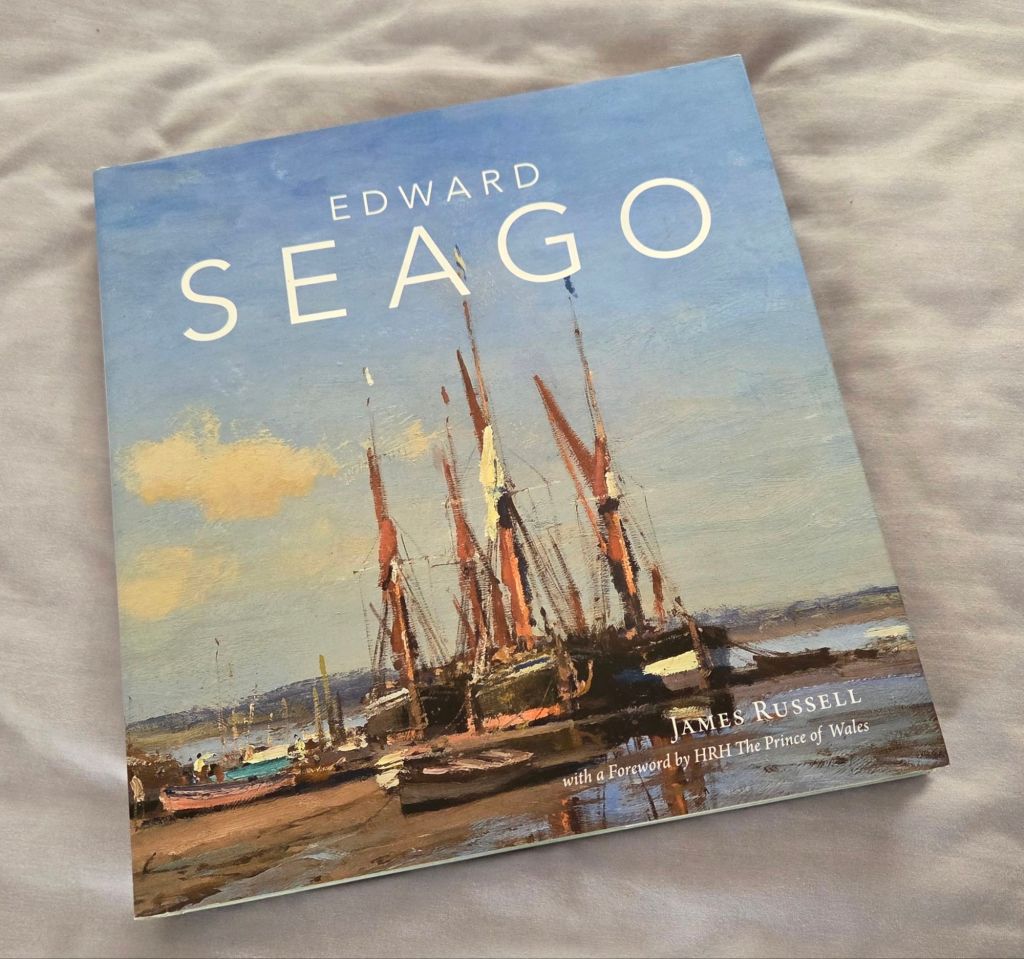
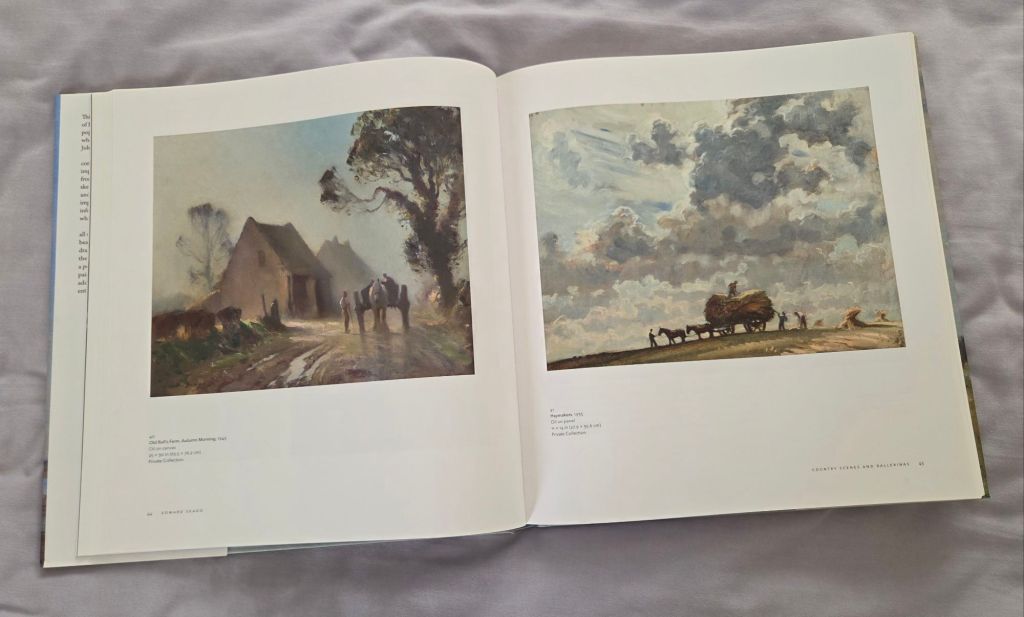
I also bought myself a new book from a used book seller in the market. They had a few photography books, but none that really interested me, so I bought a book on the life of Edward Seago which is full of his beautiful paintings. I first came across his work while admiring the work of fellow blogger -N- on her Ink, Yarn, and Beers blog. She’s posted about being inspired by Seago’s work on more than one occasion, and I thank her for bringing it to my attention. Go check out her blog and her lovely paintings.
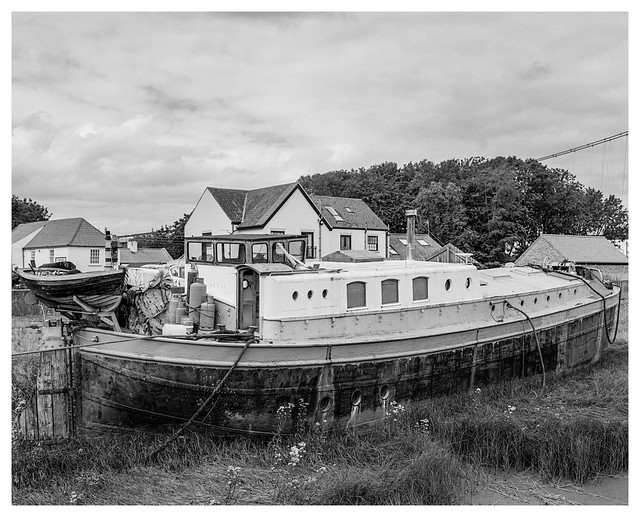
Because all my pictures from Newark today were shot on film, I don’t yet have any to show, so here’s a picture from a previous visit back in 2022. I shot a very similar image today!

RETO Ultrawide & Slim & Kodak Gold 200
Taken on 18 March 2022