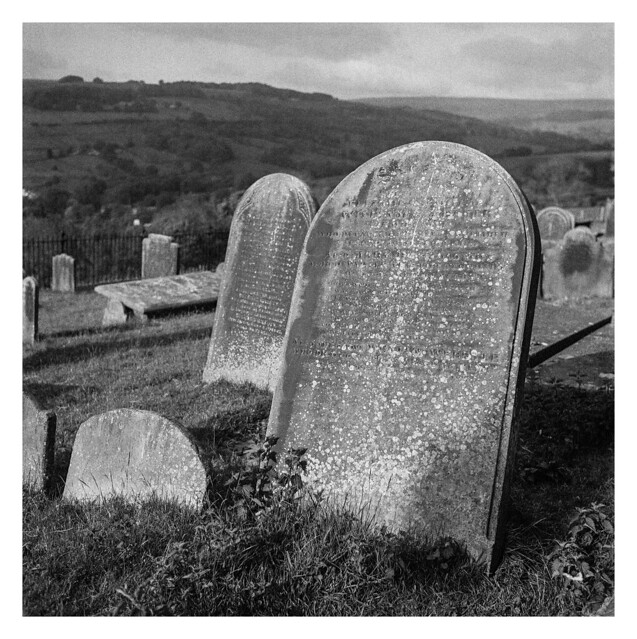
It’s been a while since the last one of these posts, but with a shorter gap than before – 7 months this time, as opposed to the 17 month gap between the last two Expiriment posts.
This time, the subject was a roll of Kodak Vericolor HC which had expired in 1992. I have no idea of the entire provenance of the film before I got it, although it’s been in my freezer for about three years now.
Kodak describes Vericolor HC as follows:
KODAK VERICOLOR HC
Professional Film
This improved color negative film has greater sharpness and finer grain than KODAK VERICOLOR II Commercial Film, Type S.
This film is ideal for commercial illustration, industrial applications, low-level aerial photography, environmental portraiture, and other applications that call for increased contrast. It may also be used for any copy work that needs increased contrast, and for outdoor portraiture under low-contrast lighting conditions, such as on cloudy days or in deep shade.

FEATURES
•	Extremely fine grain, extremely high sharpness, and high resolving power
•	Built-in dye mask
•	Balanced for exposure by daylight, blue flash, or electronic flash
•	Designed for processing in Process C-41 chemicals

BENEFITS
•	Produces excellent-quality high-contrast prints even with a high degree of enlargement
•	Makes excellent-quality color reproduction possible without supplementary masking
•	Allows exposures from 1/ 10 second to 1/10,000 second without filters
•	Can be processed with KODACOLOR and other KODAK VERICOLOR Films
I took a different approach when shooting this time. Usually I only have a single roll of a particular expired film and tend to take a chance and shoot the whole roll with the same settings, without any bracketing. This going-for-bust approach risks disaster if I misjudge the settings, but the reward is a full set of different images if it works well, rather than a curtailed set of identical compositions taken at different shutter speeds.
This time though, I decided to take the cautious apoproach. The primary reason for this being that I have an entire pro-pack of the film so using one roll as a sacrifice would mean I can shoot the other four knowing what settings will work well. In order to still maximise the number of different compositions, I chose to shoot the roll with my Bronica ETRSi, which gives me 15 shots per roll of 120 film. I decided to shoot each composition at three settings, allowing me five different compositions from the roll.
I didn’t see any point in shooting any of the shots at box speed, so planned on shooting each composition at one, two, and three stops of overexposure. As the film is rated at a box speed of 100asa, I chose to set my light meter to 64asa as a baseline, take a reading for the composition, and then shoot two additional frames with an increase of one stop of exposure for each. That was the plan, at least…
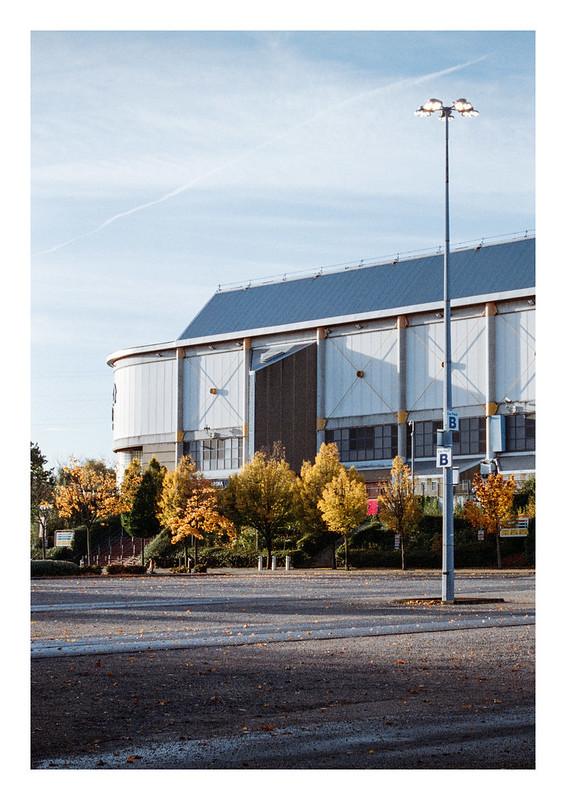
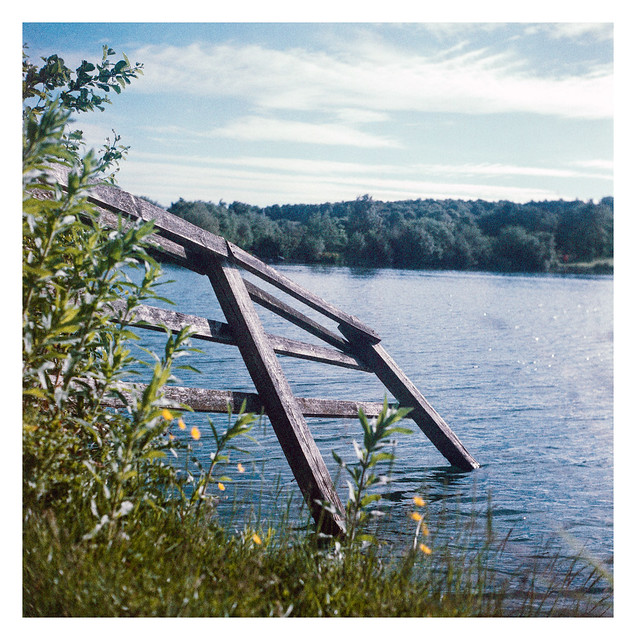
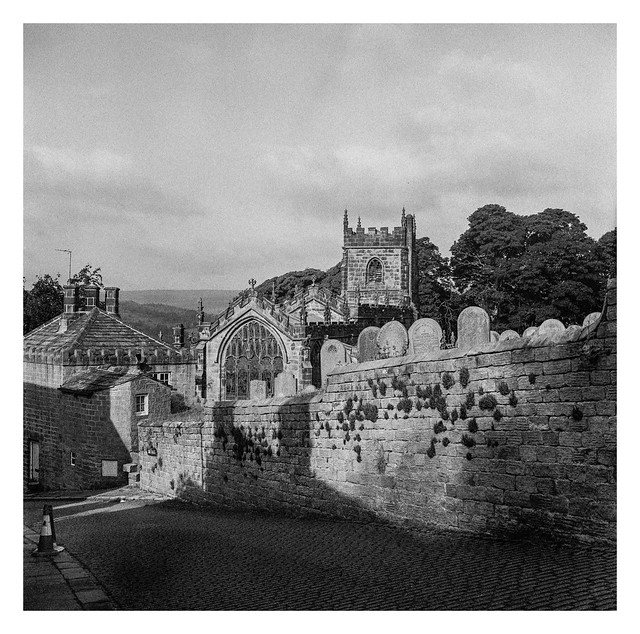
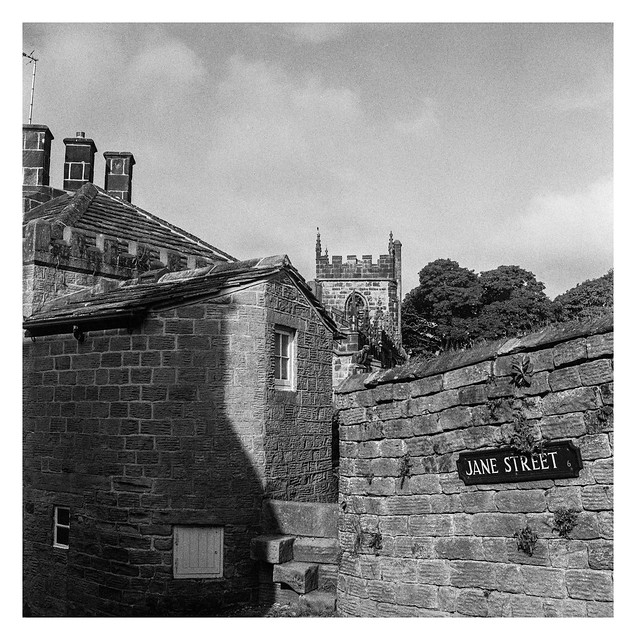
This plan worked ok for the first shot, and the results can be seen below, withe the first image shot at the settings given for 64asa, and the following two images with a stop more exposure over the previous one:
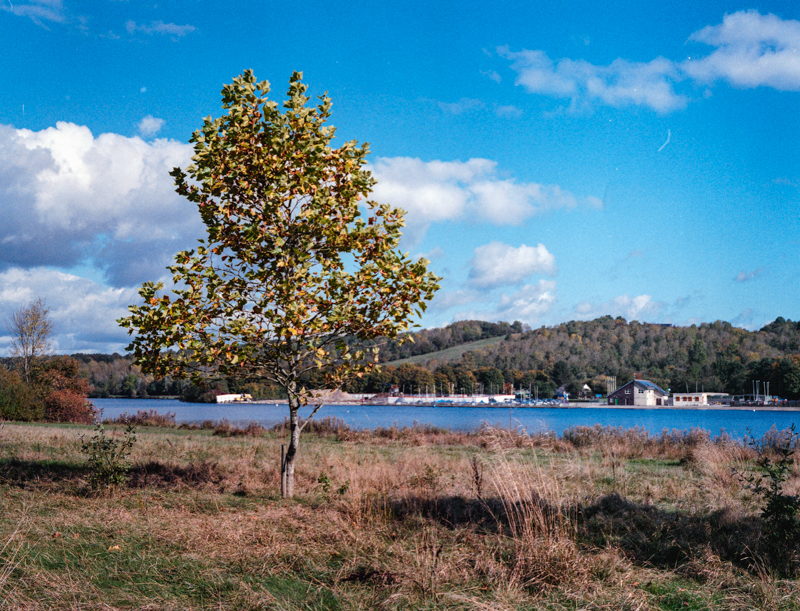
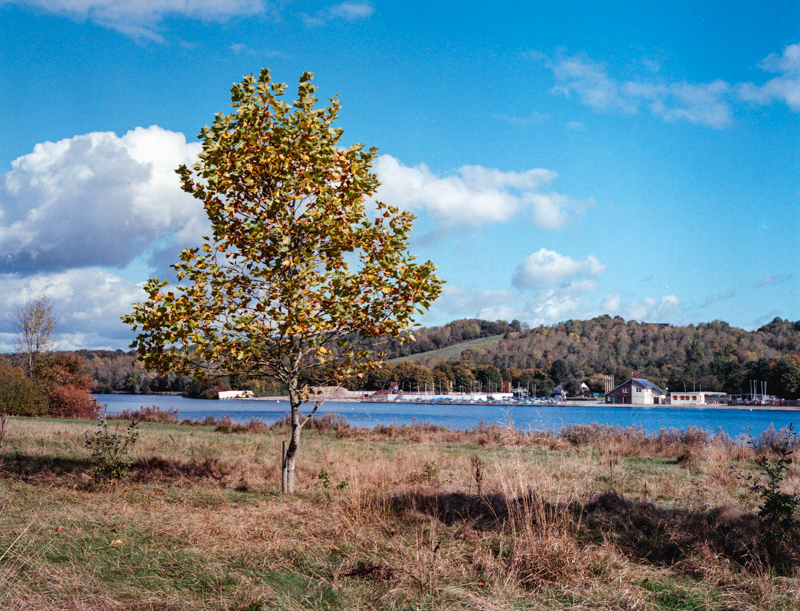
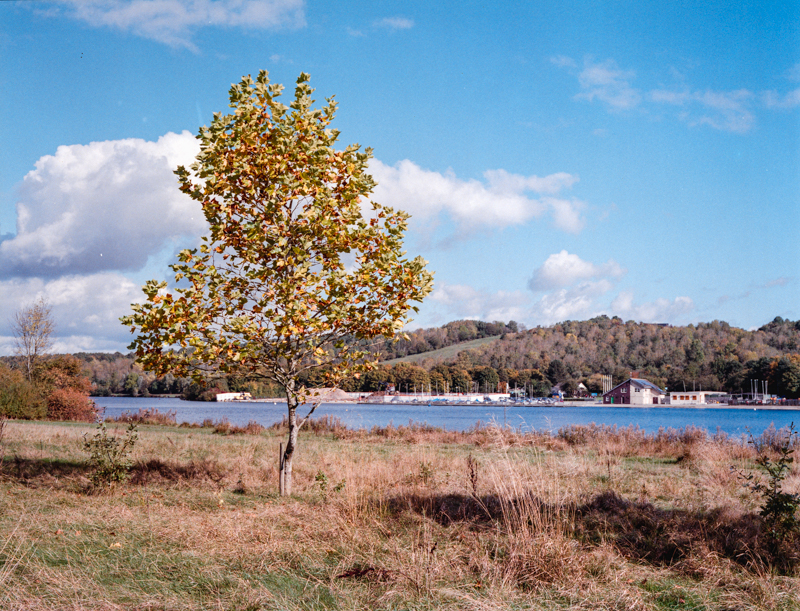
Fot this first shot, the results were all good. The middle image (effectively shot at 32asa) is the one I prefer. The first doesn’t show any major issues with underexposure, although the sky is a bit deeper, and the third, while clearly brighter, is still very acceptable (and I would have been perfectly happy with it if I didn’t have the others to compare it to).
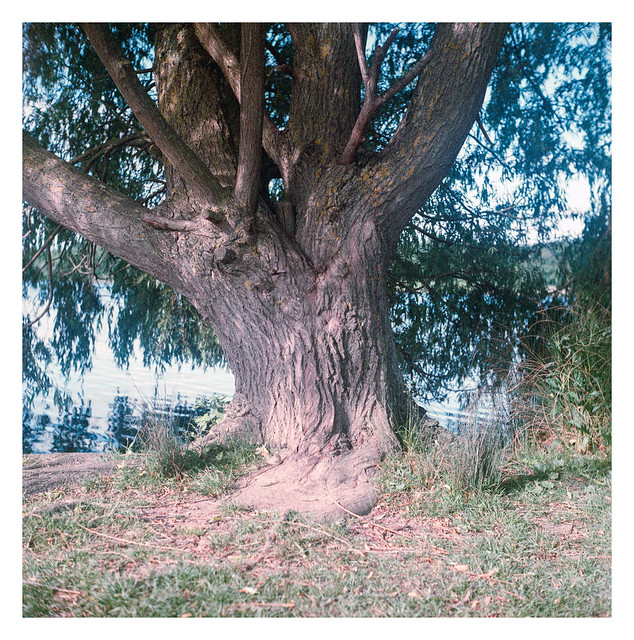
The results were similar for these shots of a willow tree:
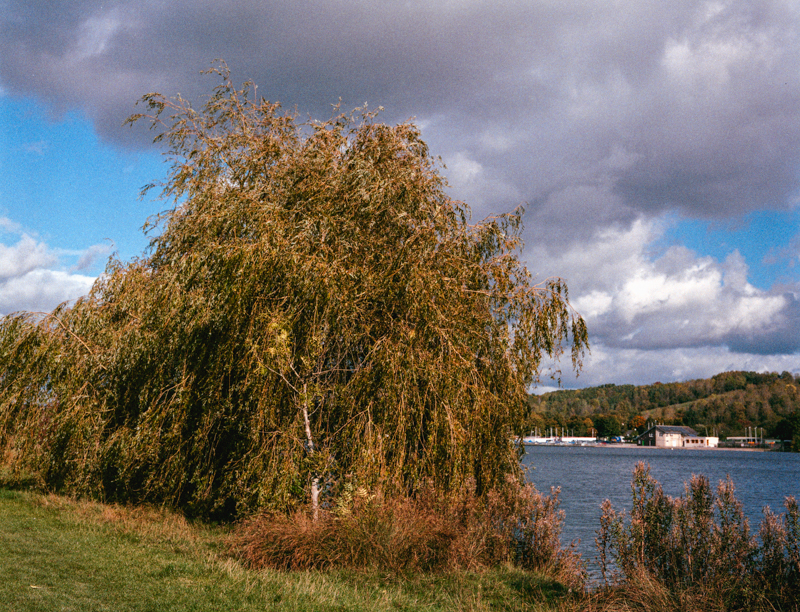
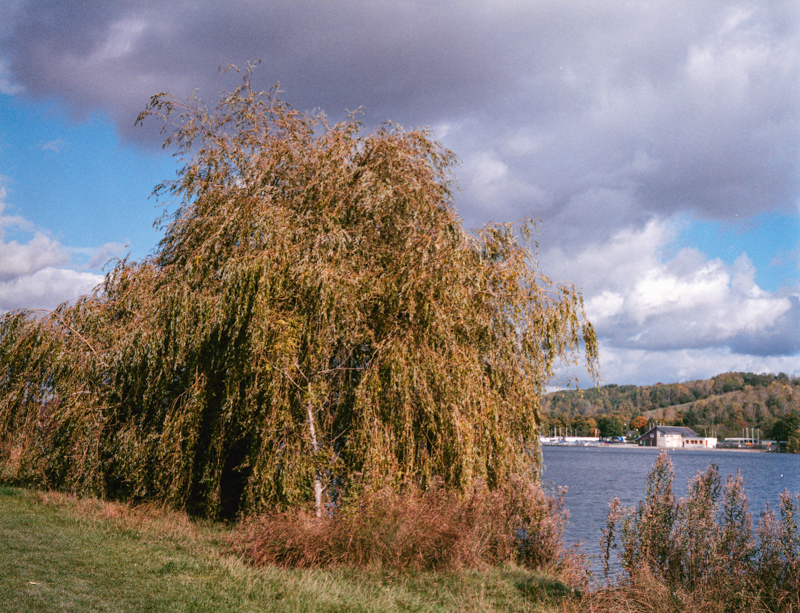
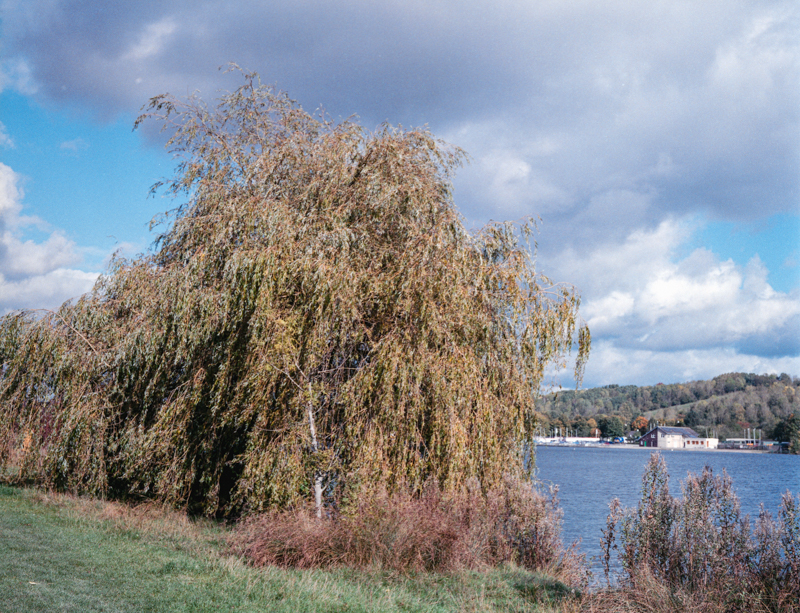
Again, the middle image is the best exposed, I think.
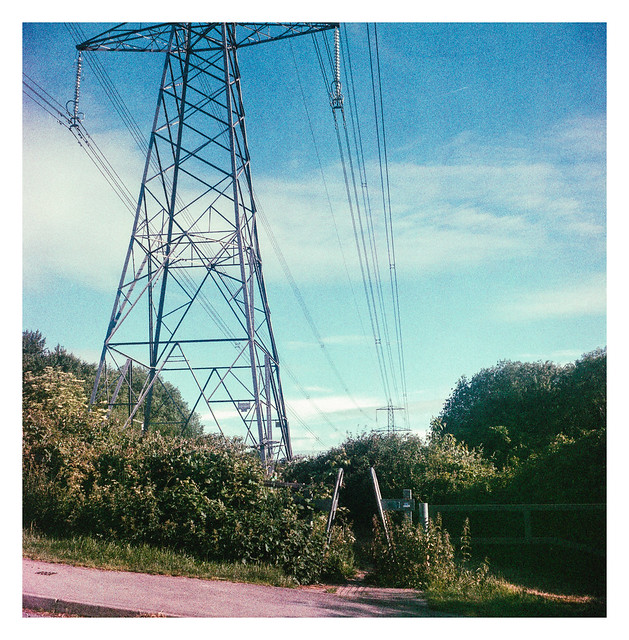
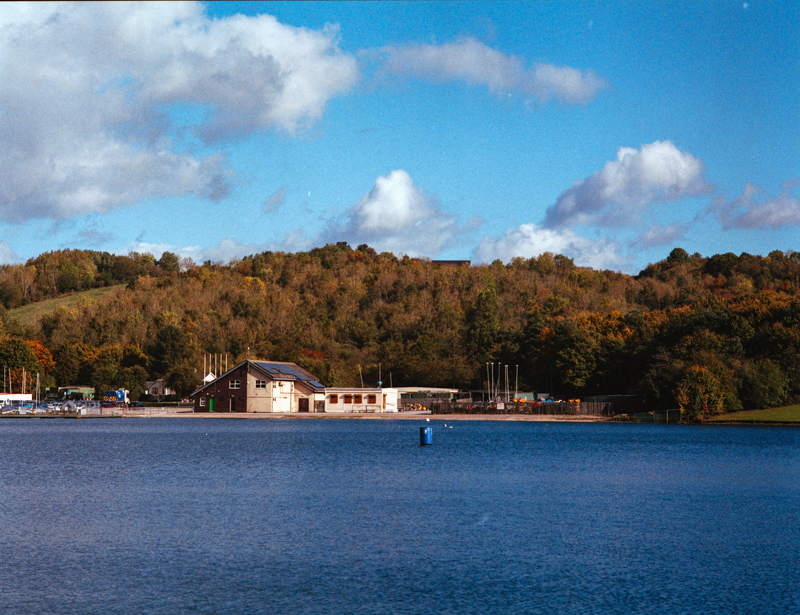
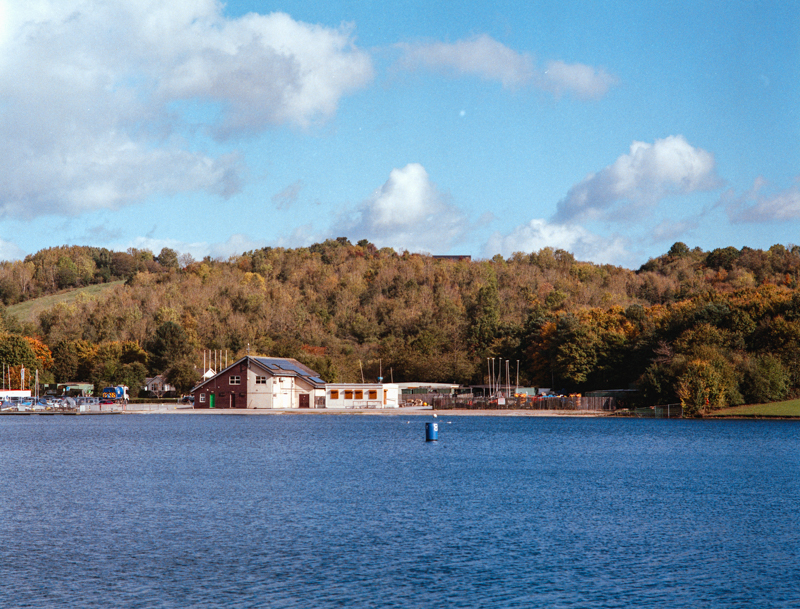
The next six shots had an issue – not only did I tamper with the process by changing lenses, I also managed to somehow mess up the metering – shooting each shot at box speed, then one and two stops over for both these compositions. While this was an error, it just means that the best exposed image is now number three, with the fist shot in each sequence being at actual box speed for the film. It clearly shows problems rated at box speed in terms of underexposure.
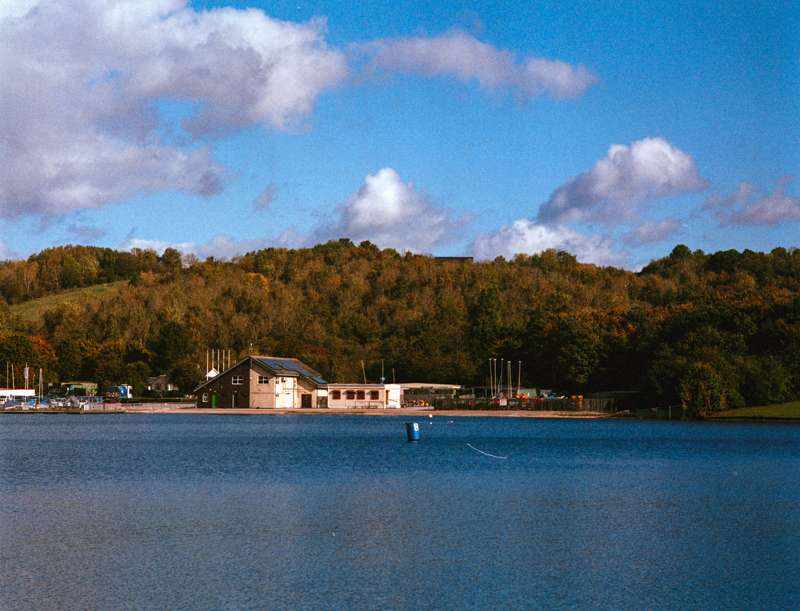
—
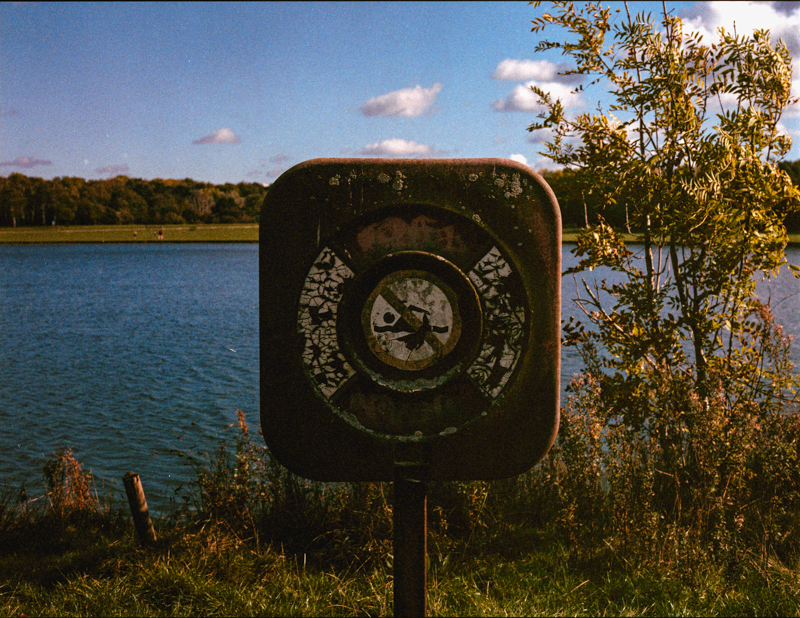
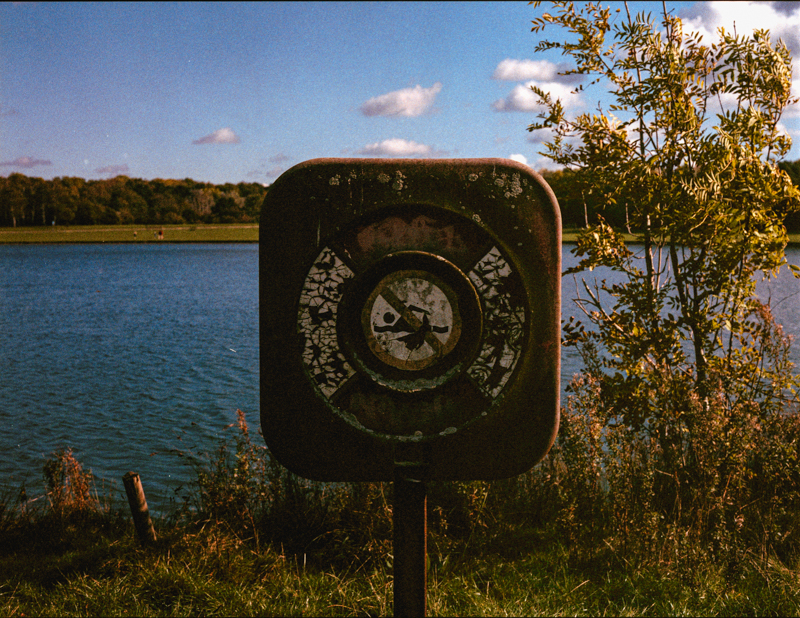
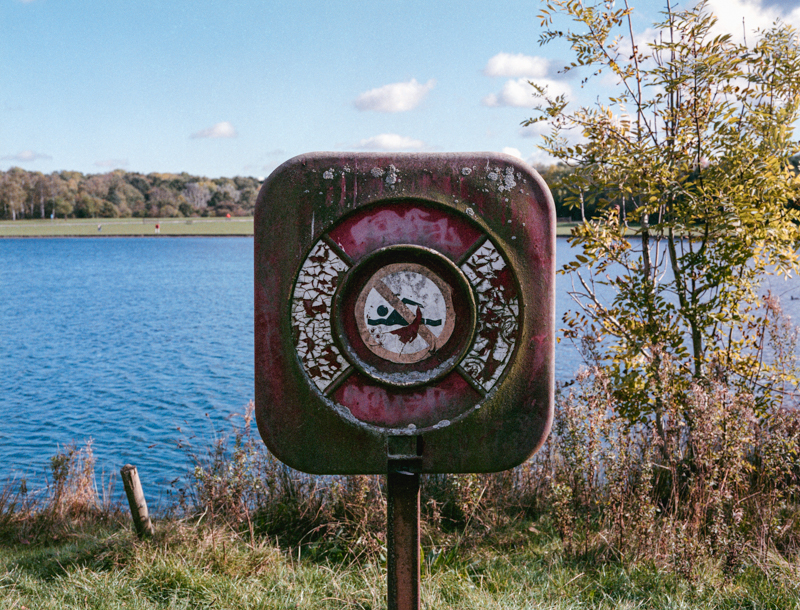
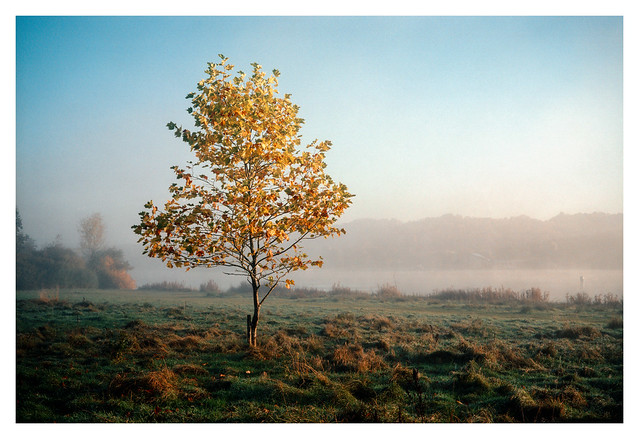
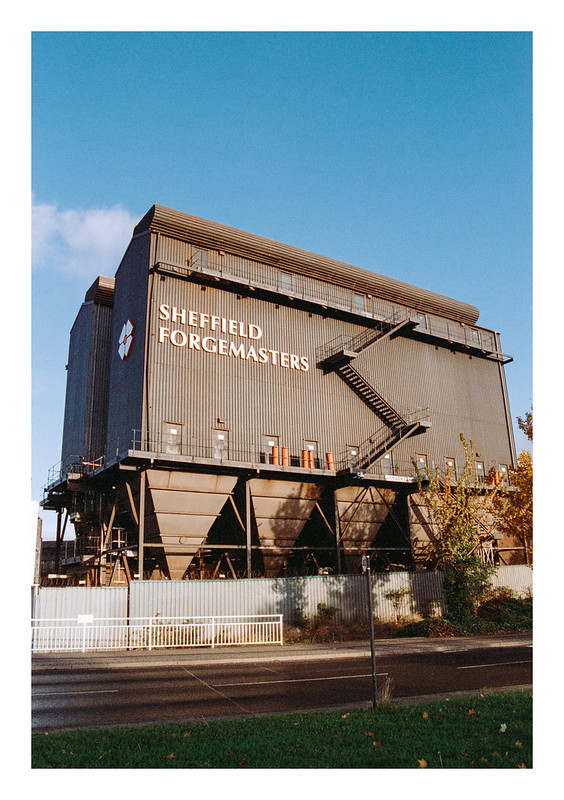
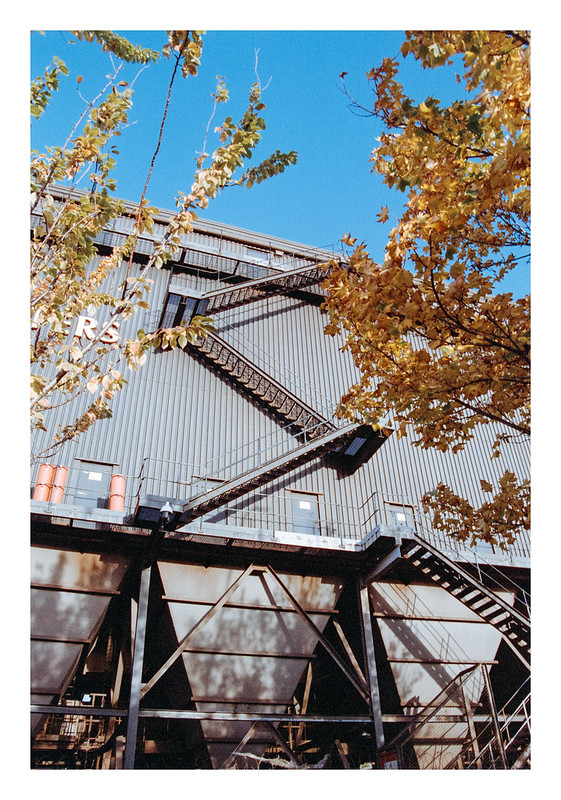
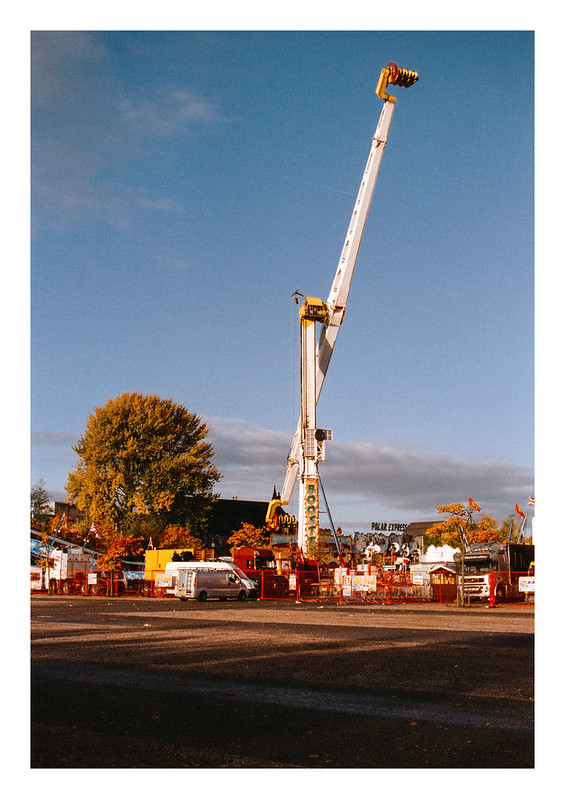
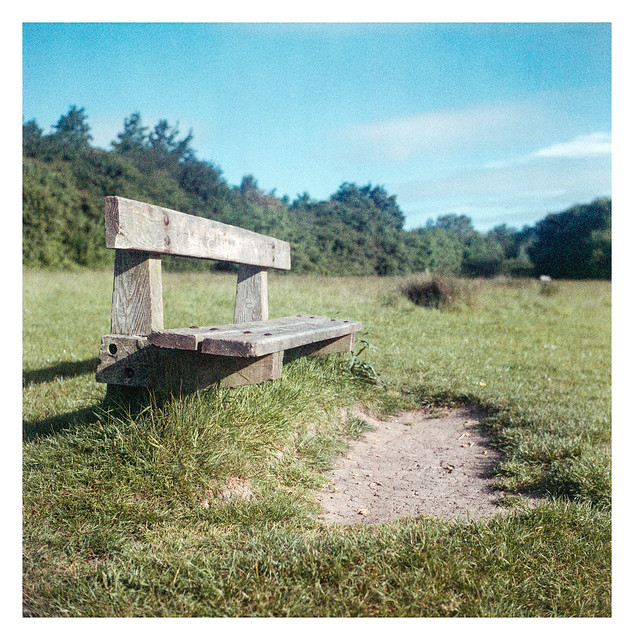
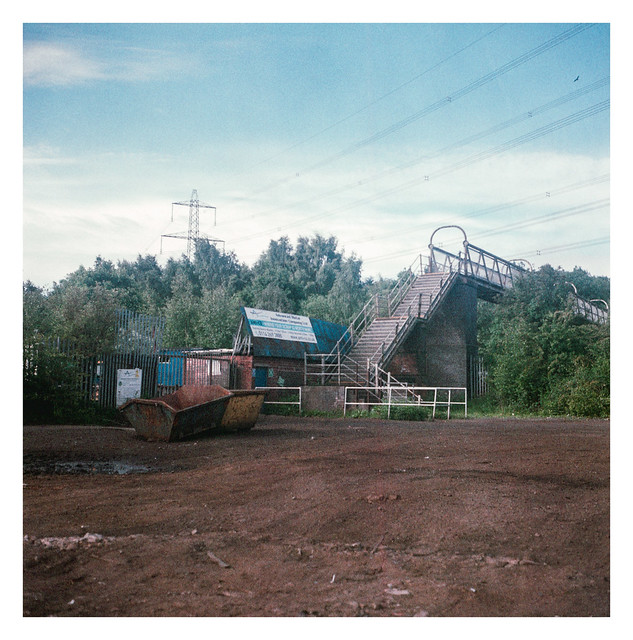
For the final composition I realised my error and got back on track. The middle shot again being the best exposed.
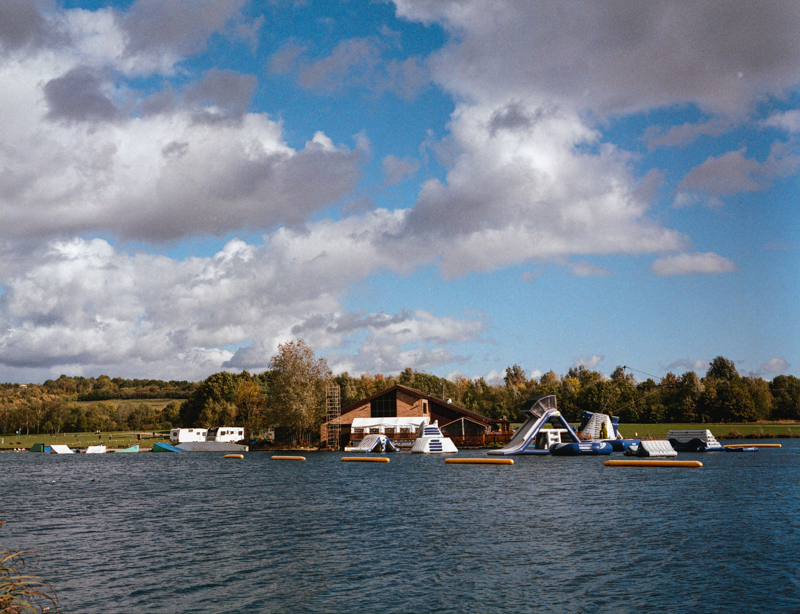
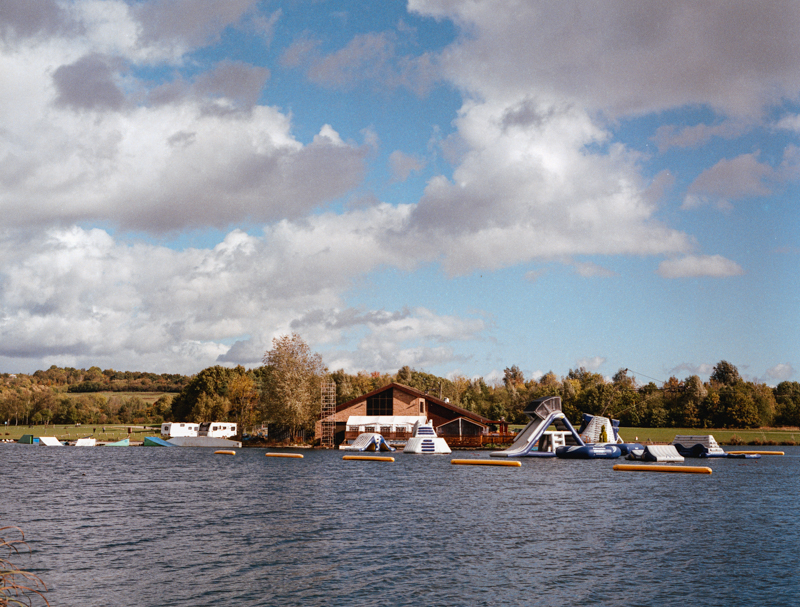
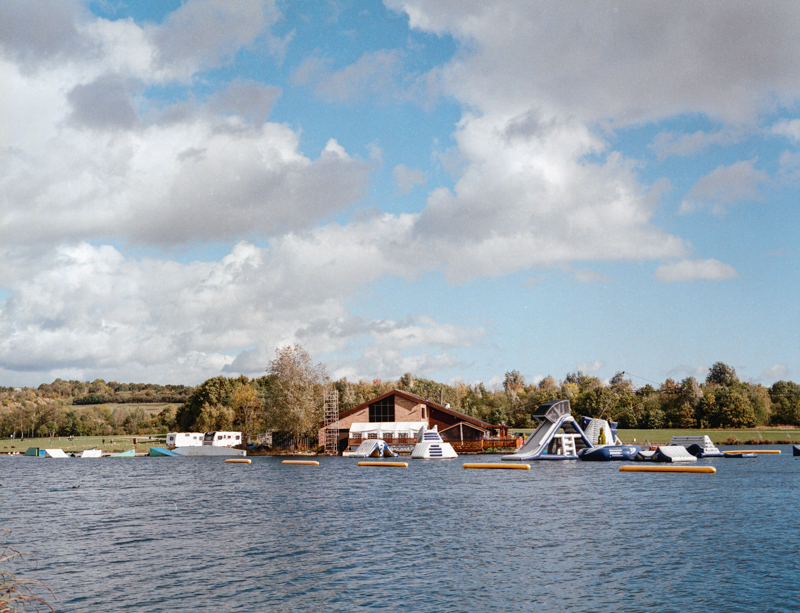
Beyond the issues with underexposure and some small spotty defects in the emulsion, the results are pretty outstanding for a film that expired over thirty years ago. The colours still look very nice too.
I feel confident that, if I meter for 32asa, that I can expect pretty good results from the remaining four rolls I have, although I’ll perhaps overexpose a little more in dim conditions.
Overall outcome: Success!
Expiriment #6 coming soon (I do actually have some more expired film I’ve shot recently, so this might actually be true)…
Bronica ETRS1, Kodak Vericolor HC (expired 1992). Shot bracketed and lab developed for box speed. Home scanned and converted with Negative Lab Pro.
Taken on 11 November 2024
I’ve uploaded the images above directly to my blog, but if you want to see the ones with the best exposure at higher resolution, they can be found here on my Flickr account.
Other posts in the Expiriment series:
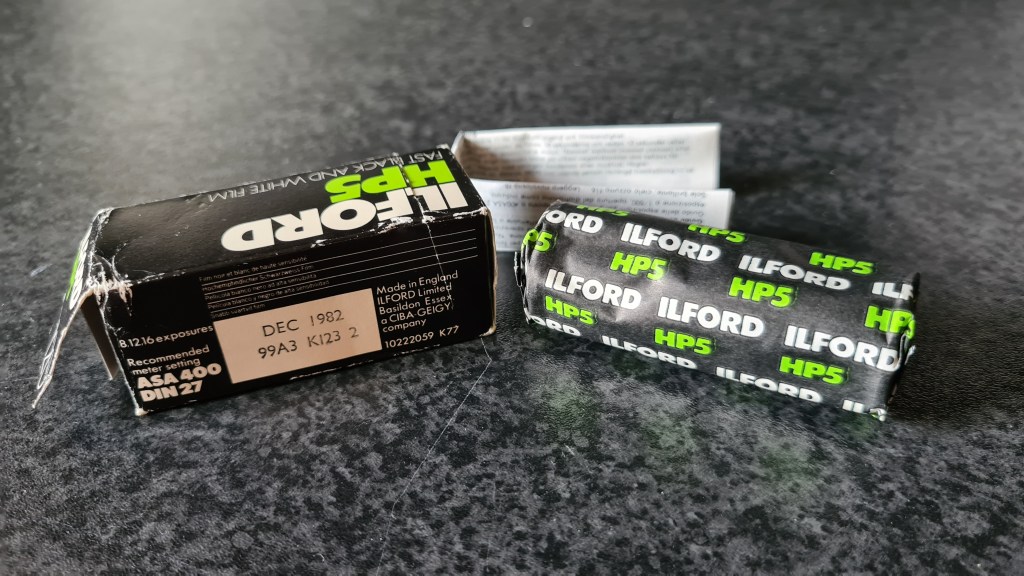
Expiriment #1: Ilford HP5 (expired 1982)
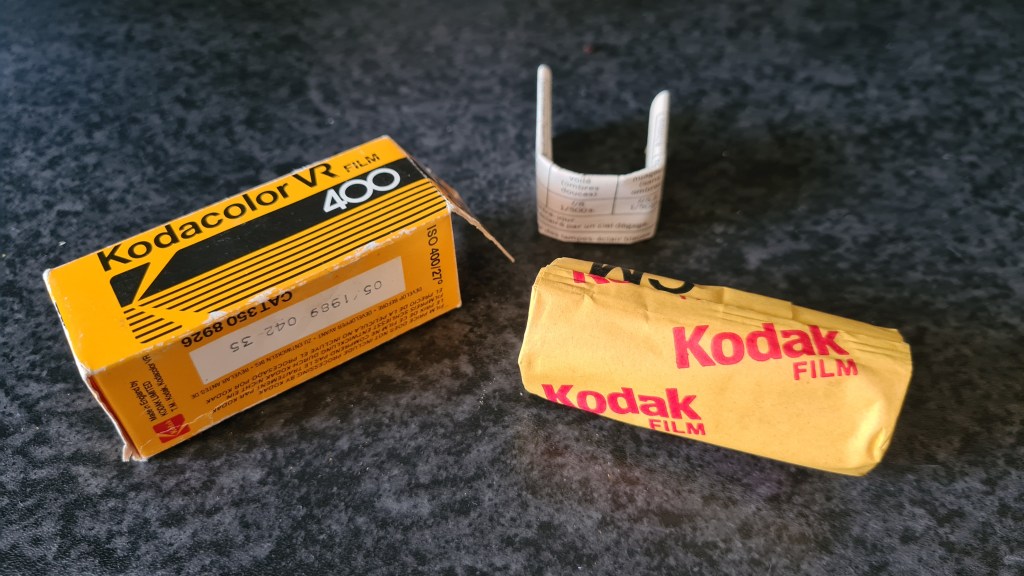
Expiriment #2: Kodacolor VR400 (expired 1989)